504 Plans Your Child Needs Without Special Education
“A kid shouldn't need a diagnosis to access help” - Dr. Ross W. Greene
Introduction:
If your child has a disability but doesn't qualify for special education services under an IEP, a 504 plan might be exactly what they need. And yet, 504 plans are often misunderstood, underutilized, and inadequately implemented.
Here's what happens: a student struggles in school—anxiety that makes test-taking impossible, ADHD that derails focus, chronic illness that causes frequent absences, a physical disability that limits mobility. The school says, "They don't qualify for an IEP." And parents walk away thinking there's no help available.
That's not true. A 504 plan provides legally protected accommodations that remove barriers and level the playing field for students with disabilities. And if your child qualifies, you have the right to demand it.

What Is a 504 Plan?
A 504 plan is a legal document created under Section 504 of the Rehabilitation Act of 1973, a civil rights law that prohibits discrimination against individuals with disabilities. It ensures that students with disabilities have equal access to education.
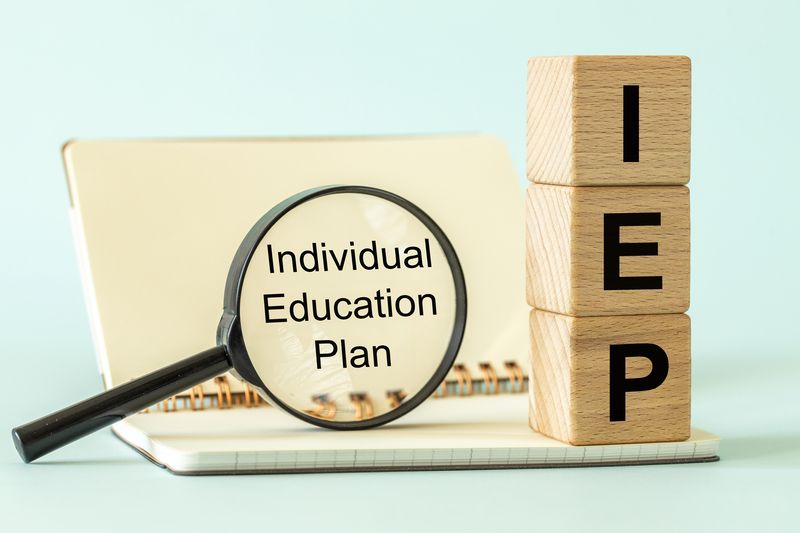
Unlike an IEP, which is governed by IDEA and provides specialized instruction, a 504 plan provides accommodations and modifications that allow students to access the general education curriculum without changing what is taught.
Think of it this way:
An IEP provides specialized teaching and services (speech therapy, resource room support, modified curriculum).
A 504 plan provides accommodations that remove barriers (extended time, preferential seating, access to notes, breaks).
Both are legally binding. Both protect your child's right to education. The difference is in how support is delivered.
Who Qualifies for a 504 Plan?
To qualify for a 504 plan, your child must:
Have a physical or mental impairment
That substantially limits one or more major life activities (learning, reading, concentrating, thinking, communicating, walking, seeing, hearing)
The definition of disability under Section 504 is much broader than under IDEA. Students who don't qualify for an IEP often qualify for a 504 plan.
Common disabilities covered under 504 plans:
ADHD (this is the most common)
Anxiety disorders, depression, OCD
Diabetes, asthma, epilepsy, other chronic health conditions
Physical disabilities (cerebral palsy, muscular dystrophy, mobility impairments)
Vision or hearing impairments that don't require specialized instruction
Dyslexia, dysgraphia, dyscalculia (if the student doesn't need specialized instruction)
Food allergies that require accommodations
If your child's disability impacts their ability to learn or participate in school as effectively as their peers, they likely qualify.
504 vs. IEP: What's the Difference?
Parents often get confused about when a child needs an IEP versus a 504 plan. Here's the breakdown:
Choose an IEP if:
Your child needs specialized instruction (teaching methods different from general education)
They need related services (speech therapy, occupational therapy, counseling)
They require a modified curriculum or individualized goals
Choose a 504 plan if:
Your child can access the general education curriculum with accommodations
They don't need specialized teaching, just barrier removal
They have a disability that impacts school but doesn't fit IDEA categories
Important: If your child has an IEP, they don't also have a 504 plan. The IEP includes all the protections of Section 504 plus additional services.
But if your child no longer qualifies for an IEP (maybe they've made progress and no longer need specialized instruction), they may still qualify for a 504 plan to maintain accommodations.
Common 504 Accommodations
504 plans are highly individualized, but here are common accommodations by category:
Testing Accommodations:
Extended time (time-and-a-half, double time)
Small group or separate setting for tests
Test read aloud or use of text-to-speech
Breaks during testing
Use of calculator or reference sheets
Classroom Accommodations:
Preferential seating (near teacher, away from distractions)
Access to notes or copies of teacher presentations
Reduced homework or modified assignments
Breaks for movement or sensory regulation
Use of fidgets, standing desk, or alternative seating
Behavioral/Emotional Accommodations:
Check-ins with counselor or trusted adult
Access to a quiet space for de-escalation
Behavior plan with positive supports
Advance notice of schedule changes
Modified discipline (no punishment for disability-related behavior)
Health-Related Accommodations:
Medication administration during school
Access to bathroom, water, snacks as needed
Excused absences for medical appointments or illness flare-ups
Physical accommodations (elevator access, extra time between classes, modified PE)
How to Get a 504 Plan
Unlike IEPs, there's no federal mandate for how 504 evaluations must be conducted. Schools have flexibility, which can be both good and bad. Here's the process:
1. Request an Evaluation in Writing
Send a written request to your child's school (principal, guidance counselor, or 504 coordinator). Keep it simple:
"I am requesting a 504 evaluation for my child, [Name]. [He/She/They] has been diagnosed with [disability] and is experiencing difficulty in school as a result. Please let me know the next steps in the evaluation process."
2. Provide Documentation
The school will likely request medical or psychological documentation of your child's disability. This might include:
Doctor's diagnosis and letter explaining functional limitations
Psychological evaluation or neuropsychological testing
Report from therapist or specialist
3. The School Conducts a Review
A team (which includes you) reviews the documentation, teacher input, grades, and any other relevant information to determine:
Does the student have a disability?
Does it substantially limit a major life activity?
What accommodations are needed?
4. The 504 Plan Is Created
If your child qualifies, the team develops a written 504 plan listing specific accommodations. You are part of this team. You have input.
5. Implementation and Monitoring
Teachers are required to implement the accommodations listed in the plan. The plan should be reviewed annually, but you can request a meeting anytime if changes are needed.
Advocating for Your Child's 504 Plan
Be Specific About What Your Child Needs
Don't just say "My child has ADHD and needs accommodations." Say:
"My child has ADHD and struggles to stay focused during long lectures. She needs frequent breaks, preferential seating near the teacher, and access to fidgets to help regulate."
"My child has test anxiety that causes him to freeze during timed assessments. He needs extended time and a separate, quiet testing location."
Request Accommodations That Match the Disability's Impact
The accommodations should directly address how the disability affects your child in school. If they have dysgraphia that makes writing painful and slow, they need access to a laptop or scribe—not just extra time.
Don't Accept Vague Language
"Student may have extended time as needed" is too vague. Who decides when it's needed? How much time?
Better: "Student will receive time-and-a-half on all tests and quizzes. Teacher will provide accommodations proactively without student having to request."
Insist on Annual Reviews (or More Frequent)
504 plans should be reviewed at least annually. If your child's needs change mid-year, request a meeting to revise the plan.
When 504 Plans Aren't Being Followed
This is the most common problem with 504 plans: they exist on paper, but teachers don't implement them. Your child still doesn't get extended time. The preferential seating never happens. The plan is ignored.
This is a violation of your child's civil rights. Here's what to do:
1. Document Everything
Keep a log of when accommodations aren't provided. Note dates, classes, and specific examples.
2. Communicate in Writing
Email the teacher and 504 coordinator:
"My child's 504 plan states they receive extended time on all assessments. On [date], they were not provided this accommodation on the math quiz. Please ensure all teachers are aware of and implementing the plan."
3. Request a Meeting
If the problem continues, request a 504 team meeting to address implementation.
4. File a Complaint
If the school still doesn't comply, you can file a complaint with the Office for Civil Rights (OCR), which enforces Section 504. In Florida, you can also file a complaint with the Florida Department of Education.
504 Plans and Standardized Testing
One of the most important protections of a 504 plan is that accommodations extend to state assessments, the SAT, ACT, and AP exams.
If your child has extended time on classroom tests, they're entitled to extended time on the SAT. If they use a calculator for math, they can use it on state assessments (where allowed).
But—and this is important—accommodations for college entrance exams (SAT, ACT) require separate approval from the testing companies. The 504 plan helps document the need, but you'll need to apply for accommodations directly through College Board or ACT, often months in advance.
Transitioning from High School: What Happens to the 504 Plan?
Here's something many parents don't know: IDEA (and IEPs) ends when your child graduates high school or ages out at 22. But Section 504 continues into adulthood.
If your child goes to college, they can receive accommodations under Section 504 (and the ADA—Americans with Disabilities Act). They'll need to:
Register with the college's disability services office
Provide documentation of their disability (high school 504 plan, medical records, psychological evaluation)
Self-advocate and request accommodations each semester
Important: College is different. Your child will need to take the lead in requesting accommodations. There's no IEP team. There's no case manager checking in. They must advocate for themselves.
Start building self-advocacy skills in high school so they're ready for this transition.

Your Child Deserves Access
A 504 plan isn't a favor. It's not special treatment. It's a civil right.
Your child has a disability that creates barriers in school. Those barriers aren't their fault. The 504 plan removes those barriers so they can access education on equal footing with their peers.
You don't need to feel guilty for requesting accommodations. You don't need to downplay your child's struggles because they're "high-functioning" or "doing okay." If they're working twice as hard to achieve the same outcomes, they need support.
Advocate for what your child needs. Push for specific, measurable accommodations. Hold the school accountable for implementation. And know that you're not asking for too much. You're asking for what the law guarantees.
Your child's success matters. And you have every right to fight for it.
BOOK A FREE DISCOVERY CALL TODAY!